

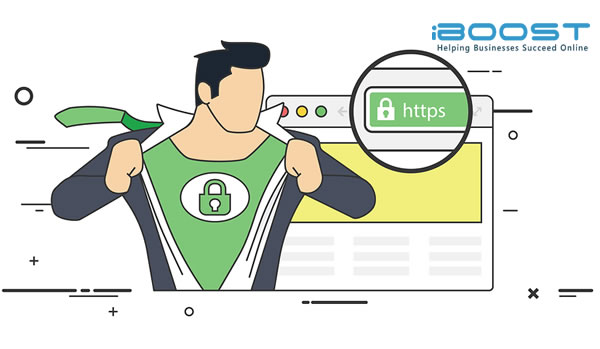
HTTP vs HTTPS - What's the Difference?
HTTP stands or Hypertext Transfer Protocol and HTTPS means Secure Hypertext Transfer Protocol. While that may seem like a minor difference, it's very important when it comes to search engines. HTTP is a request-response protocol that allows information online to be distributed on the World Wide Web. HTTPS was later created to provide an extra barrier using a Secure Sockets Layer (or SSL) to keep hackers and thieves away from sensitive data like credit card information or important passwords.
Why Does Google Prioritize Site Security?
In 2014, Google announced their mission to make their search engine safer by encouraging websites to make the switch to HTTPS. Google has earned its place as the number one search engine in the world, and it wants to maintain their popularity by providing the world's highest quality content for their users. It makes sense that they wouldn't want to drive traffic to a website that's vulnerable to hackers, which would put them at risk for identity theft and increased exposure to computer viruses.


Is it Worth it for Businesses to Invest in Site Security for SEO?
Are you still sitting on the fence? Switching from HTTP to HTTPS is well worth the time and expense. Doing so will provide the following important benefits:
- Avoid an Unnecessary Dip in Site Ranking
- Achieve Improved Referral Data from Google Analytics
- Gain Customer Trust by Providing Protection from Transactions with Quality Website Security
Failing to make the change will make it more difficult for people visit your website. Not only will many customers avoid using your website entirely, but you also risk the chance of being deindexed by Google altogether, a death sentence for any digital marketing campaign. If you're going to have an active website in today's competitive online environment, then it isn't a question of whether or not you should have an SSL certificate, but how fast you can update your site.
How to Make Your Website Secure for SEO
- Step One: Buy an SSL certificate
- Step Two: Install the certificate on your hosting account
- Step Three: Make sure all URL's are updated to HTTPS
- Step Four: Set up 301 redirects from HTTP pages for previous site users who might have bookmarked pages in the past.
Need to Improve Your Site Security for Better SEO Results? Get Help from the iBoost Experts
Are you a busy modern day business owner who wants increased site security but doesn't have the time to do it? There's no reason to let your Google rank slip into oblivion. Get help right away from the professional SEO and digital marketing specialists at iBoost. Call our team today to find out what we can do to help you get better results online.




AI vs Human Content: What Does Google Prefer?
e conversation around AI-generated content has taken over the marketing world, and most businesses are somewhere in the ...
Read More
SEO in 2026: What Still Works and What Doesn’t
you've been following the same SEO playbook from a few years ago, there's a good chance your strategy is alread...
Read More
Importance of Optimizing Your Website & SEO Strategy for AI
e way people search for information online is changing faster than most business owners realize, and artificial intellig...
Read More