


The Death of Keyword Stuffing and What Replaced It
For years, businesses crammed target phrases into every paragraph, meta tag, and image alt text they could find. Google's algorithms have grown sophisticated enough to recognize when content prioritizes keywords over value. Sites that still practice keyword stuffing see their rankings tank within weeks of a core update. The replacement strategy focuses on semantic relevance and topic depth. Instead of repeating the same phrase twelve times on a page, successful sites cover related subtopics and answer specific user questions. A page about home insurance, for example, should address coverage types, claim processes, premium factors, and state regulations. Search engine optimization now rewards comprehensive content that demonstrates subject mastery. Writers should target one primary phrase per page and let variations appear naturally through thorough coverage of the topic. This also means paying closer attention to search intent. A user searching for "best running shoes" wants product comparisons and recommendations. Someone searching "how running shoes are made" wants educational content. Google now matches content type to intent with remarkable accuracy. Pages that nail the intent behind their target keywords outperform those with higher domain authority but weaker relevance. Your content calendar should categorize topics by intent type and make sure each page delivers exactly what searchers expect to find.
How AI SEO Has Changed the Way People Search
The search box isn't the only place people look for answers anymore. Millions of users now turn to AI chatbots and assistants to research products, solve problems, and find local services. This shift has forced Google to integrate AI summaries directly into search results, which is pushing traditional organic listings further down the page. Businesses that ignore this change will watch their visibility shrink even if their rankings stay the same. Your content needs to provide clear, direct responses that AI systems can pull from and cite. Structured data, FAQ sections, and concise explanations of complicated topics increase your chances of appearing in AI-generated summaries. The businesses that are winning create content that serves both traditional crawlers and the large language models now powering search features. Voice queries have also grown more conversational as users interact with AI assistants. People ask complete questions rather than typing fragmented keywords. A search that once read "best pizza Chicago downtown" now sounds like "where can I get authentic thin crust pizza near the Loop tonight." AI SEO strategies must account for these natural language patterns. Your content should mirror how real people talk about your products and services rather than targeting robotic phrases.


Local SEO Changes You Need to Know About
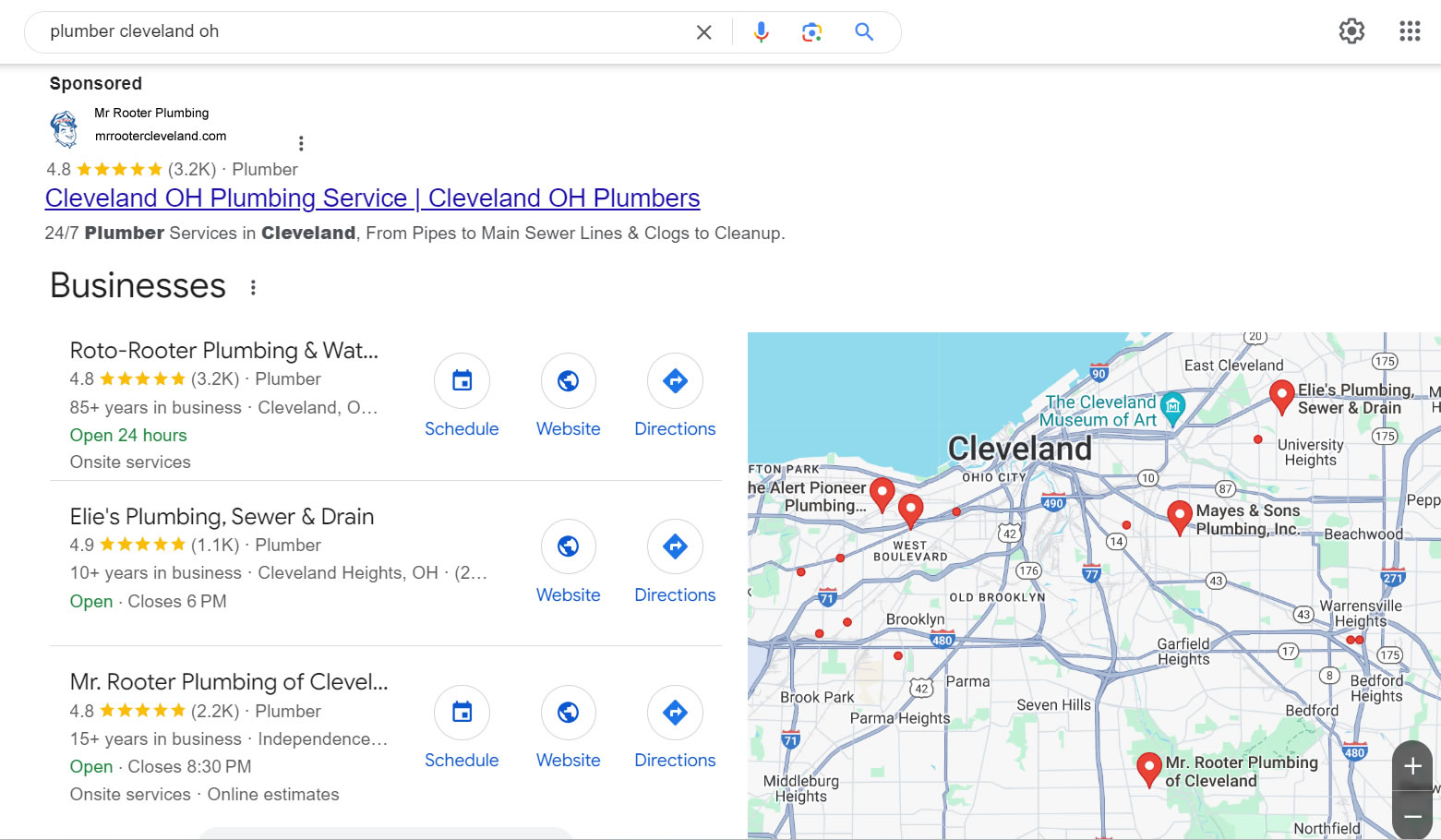
Google has tightened requirements for businesses appearing in local search results. Fake reviews, inconsistent business information across directories, and neglected Google Business Profiles now carry heavier penalties than before. The companies dominating local SEO in 2026 maintain accurate NAP data (name, address, phone) across every platform, respond to reviews within 48 hours, and post regular updates to their profiles. Proximity still matters, but relevance and prominence have gained weight in the ranking formula. A business ten miles from the searcher can outrank one three miles away if it has stronger reviews, more complete profile information, and better engagement. Service area businesses are dealing with additional scrutiny. Google now verifies claimed territories more aggressively and removes listings that exaggerate coverage zones. SEO success requires ongoing maintenance rather than a one-time setup. Monthly audits of citations, review monitoring, and profile optimization separate businesses that dominate map results from those that disappear into page two. Photo uploads matter as well. Listings with recent, high-quality images of the actual business location receive more clicks and higher placement than those with outdated or stock photography. Google also tracks how users interact with your listing. High click-through rates, direction requests, and phone calls all send positive signals. Businesses should add posts about promotions, events, and news at least twice per month to demonstrate activity and give users reasons to engage.
Building Authority in an Era of Zero Click Results
Many Google searches now end without a click. Featured snippets, knowledge panels, and AI-generated summaries provide answers directly on the results page. This terrifies some business owners, but it actually creates opportunity for those who adapt. Appearing in position zero or a featured snippet builds brand recognition even when users don't visit your site. Visibility translates to higher click rates when users need deeper information or want to make a purchase. Building authority for search engine optimization in this environment requires structured content that algorithms can easily parse. Clear headings, concise definitions, and direct answers to common questions increase your chances of capturing these prominent positions. Schema markup helps search engines understand your content type and display it appropriately. Sites that earn featured snippets also build topical authority that benefits their broader rankings. The zero-click reality punishes passive content strategies and rewards sites that actively optimize for visibility across all search result formats. Brand searches have become increasingly valuable. When users search your company name directly, Google interprets that as a trust signal. Building brand awareness through social media, email marketing, PR coverage, and offline advertising creates a feedback loop that strengthens your search presence. Companies that invest in brand building alongside technical optimization see compounding returns. Your content strategy should also target longer tail queries where users need more depth than a snippet can provide. These searches have lower volume but higher intent and better click-through rates.
Are You Ready to Leave Outdated SEO Tactics Behind?
The gap between outdated tactics and modern best practices grows wider each year. Businesses clinging to 2020 strategies will watch competitors pull further ahead while their own visibility declines. At iBoost Web, we build search strategies based on current algorithm requirements, real performance data, and proven techniques that deliver measurable results. Our team stays current with every major update so your business never falls behind. We handle the technical details, content optimization, and ongoing adjustments that modern search demands. Contact us today for a comprehensive audit. We've helped businesses across industries adapt to these changes and capture traffic their competitors missed.



AI vs Human Content: What Does Google Prefer?
e conversation around AI-generated content has taken over the marketing world, and most businesses are somewhere in the ...
Read More
Importance of Optimizing Your Website & SEO Strategy for AI
e way people search for information online is changing faster than most business owners realize, and artificial intellig...
Read More
How to Use AI to Improve SEO
How to Use AI to Improve SEO
Today's search engine algorithms evolve faster than most businesses can keep up. Thankfully, new AI tools can help y...
Read More